
Contraception pills, commonly referred to as birth control pills, are a type of hormonal contraception used to prevent pregnancy. These pills work primarily by preventing the ovaries from releasing an egg each month (ovulation), and they also thicken cervical mucus to block sperm and thin the uterine lining to reduce the likelihood of implantation. There are two main types of contraception pills: the combined pill and the progestogen-only pill.
Start Your Assessment for Contraception
Don't wait any longer to get the medical help you need. Once you complete a short online assessment about your condition, you will be able to select your preferred treatment and quantity from a list of appropriate options for you.
- Reviewed by our UK-based medical team
- Takes less than 4 minutes to complete
- Approved treatments dispatched same day
Ordered with us before?
Showing 1–15 of 34 results
Treatments
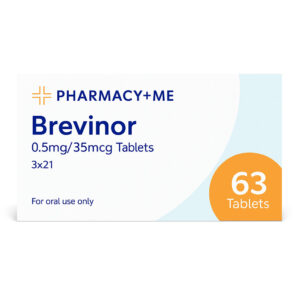
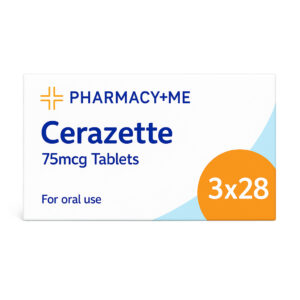
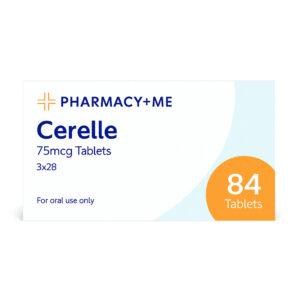
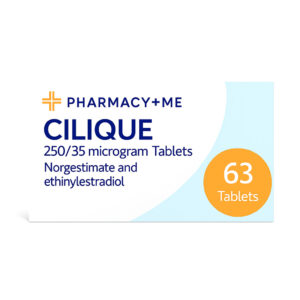
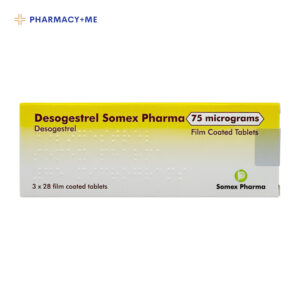
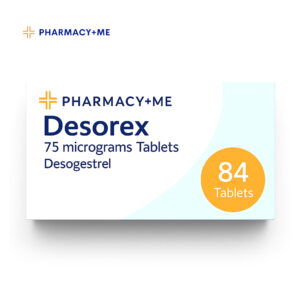
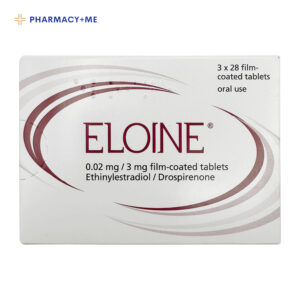
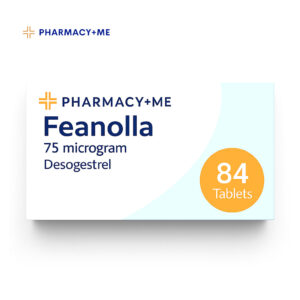
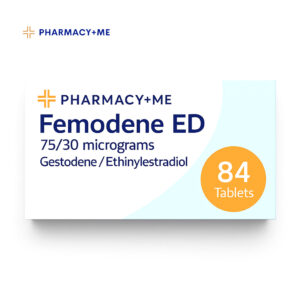

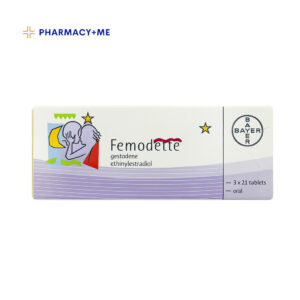
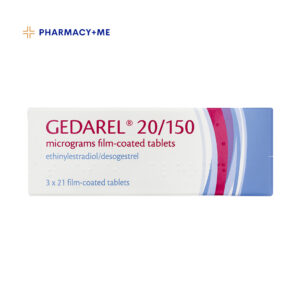
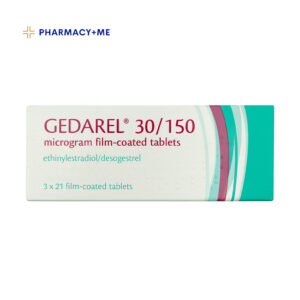
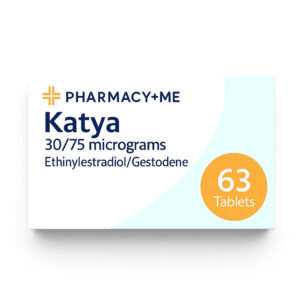
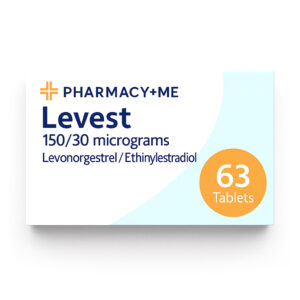
Outline
- Effectiveness: Both types of contraception pills are over 99% effective when taken correctly. However, their effectiveness decreases if pills are missed or not taken as directed.
- Suitability: Not all contraception pills are suitable for everyone. Your health history, lifestyle, and other factors will determine which pill is best for you.
- Side Effects: Both types of pills can have side effects, though they are generally mild. These can include changes in menstrual cycles, mood swings, nausea, and more. Some rare but serious risks include blood clots (with the combined pill) and ovarian cysts (with the progestogen-only pill).
- Protection: Neither type of pill protects against sexually transmitted infections (STIs). Condoms are recommended for STI protection.
Types of Contraceptive Pills
-
- Combined Pill:
- Contains both estrogen and progestogen.
- Taken daily, often with a 7-day break or placebo pills.
- Helps with symptoms like heavy periods, acne, and PMS.
- Not suitable for individuals with certain health conditions, such as a history of blood clots or breast cancer.
- Combined Pill:
- Progestogen-Only Pill (Mini Pill):
- Contains only progestogen, making it an option for those who cannot take estrogen.
- Must be taken at the same time every day without a break.
- May be better for individuals who are breastfeeding or have health risks that make the combined pill unsuitable.
- Can help with symptoms like painful periods and endometriosis.
Alternatives
If contraception pills are not suitable or preferred, there are several alternative methods of contraception:-
- Long-Acting Reversible Contraception (LARC):
- Intrauterine Device (IUD): A small device placed in the uterus that can prevent pregnancy for 3 to 10 years.
- Contraceptive Implant: A small rod inserted under the skin that releases hormones to prevent pregnancy for up to 3 years.
- Contraceptive Injection: An injection of hormones that prevents pregnancy for about 12 weeks.
- Long-Acting Reversible Contraception (LARC):
-
- Barrier Methods:
- Condoms: Prevent sperm from reaching the egg and offer protection against STIs (Sexually transmitted diseases).
- Diaphragm or Cervical Cap: A silicone cup inserted into the vagina before sex to cover the cervix and block sperm.
- Barrier Methods:
-
- Natural Methods:
- Fertility Awareness: Monitoring your cycle and avoiding sex or using barrier methods during fertile days.
- Withdrawal: Removing the penis from the vagina before ejaculation (less reliable).
- Natural Methods:
-
- Emergency Contraception:
- Morning-After Pill: Can be taken after unprotected sex to prevent pregnancy.
- Copper IUD: Can be inserted up to 5 days after unprotected sex to prevent pregnancy.
- Emergency Contraception:
- Permanent Methods:
- Sterilization: A surgical procedure to permanently prevent pregnancy, available for both men (vasectomy) and women (tubal ligation).
Contraception Guides
Simply find your medical condition below to read helpful information written and reviewed by our healthcare professionals.

Written by our Clinical Team
Written by our Clinical Team
FAQ’s
The combined pill contains two hormones, estrogen and progestogen. It works by stopping the ovaries from releasing an egg each month (ovulation). It also thickens cervical mucus to block sperm from reaching an egg and thins the uterine lining to reduce the likelihood of implantation.
The combined pill is over 99% effective when taken correctly. However, if not taken as directed, its effectiveness drops to about 91%, meaning 9 out of 100 women could become pregnant in a year.
If you miss a pill, take it as soon as you remember, even if that means taking two pills in one day. Continue taking the next pill at your usual time. You should still be protected, but if you miss multiple pills, you may need to use additional contraception, like condoms, for the next 7 days.
The combined pill is usually not recommended for breastfeeding mothers until at least 6 weeks postpartum, as it contains estrogen, which can reduce milk supply.
Common side effects include changes in menstrual cycle, nausea, headaches, and breast tenderness. Some women may experience mood swings, weight gain, or changes in sex drive, but these are less common.
If you vomit within 3 hours of taking the combined pill, take another pill as soon as possible. If you continue to be sick or have severe diarrhoea, use additional contraception, like condoms, until you have taken the pill correctly for 7 days without any illness.
The progestogen-only pill contains just one hormone, progestogen. It primarily works by thickening the cervical mucus to prevent sperm from reaching an egg and sometimes stopping ovulation.
The progestogen-only pill is over 99% effective when taken correctly at the same time every day. If not taken as directed, its effectiveness drops to about 91%, meaning 9 out of 100 women could become pregnant in a year.
If you are less than 3 hours late taking a traditional progestogen-only pill, or less than 12 hours late for a desogestrel pill, take the missed pill as soon as you remember and continue as normal. If you are later than this, use additional contraception, like condoms, for the next 2 days (or 7 days if taking the drospirenone pill).
Yes, the progestogen-only pill is safe to take while breastfeeding and is often recommended because it does not contain estrogen, which can affect milk supply.
Common side effects include changes in menstrual bleeding patterns, such as lighter, more frequent, or no periods, and spotting between periods. Some users may also experience mood swings, acne, or changes in sex drive, though these are less common.
If you vomit within 2 hours of taking a traditional progestogen-only pill, or within 3 to 4 hours of taking a desogestrel or drospirenone pill, take another pill as soon as possible. If you have severe diarrhoea, continue taking your pills as usual but use additional contraception, like condoms, until 2 days (or 7 days for drospirenone pills) after your symptoms stop.
No, neither the combined pill nor the progestogen-only pill protects against sexually transmitted infections (STIs). To protect against STIs, use condoms in addition to taking your contraceptive pill.
Accidentally taking an extra pill is unlikely to cause harm. Continue taking the rest of the pills in your pack as usual, at your regular time each day. You might experience mild side effects such as nausea, vomiting, or vaginal bleeding, but these should pass. If you have any concerns, consult a healthcare provider.
If you start taking the combined pill or progestogen-only pill on the first day of your period, you are protected from pregnancy immediately. If you start taking the pill at any other time during your cycle, you may need to use additional contraception, like condoms, for the first 7 days with the combined pill or for 2 days with the progestogen-only pill (7 days for the drospirenone pill).
Yes, you can switch between the combined pill and the progestogen-only pill, but it’s important to do so correctly to maintain contraceptive protection. Generally, you should start the new pill immediately after finishing the old pack without a break. Consult your healthcare provider for specific guidance on how to switch based on your individual circumstances.
Light spotting or breakthrough bleeding is common, especially during the first few months of taking either the combined pill or the progestogen-only pill. If the bleeding is heavy, prolonged, or occurs after you’ve been on the pill for several months, consult your healthcare provider to rule out other causes or to discuss whether you might need a different type of contraception.
Whether you can take the combined pill or the progestogen-only pill depends on your individual health conditions. The combined pill may not be suitable for women with a history of blood clots, certain cancers, or uncontrolled high blood pressure. The progestogen-only pill is often recommended for those who cannot take estrogen. Always discuss your full medical history with your healthcare provider before starting any contraceptive pill.
After stopping the combined pill or the progestogen-only pill, your fertility usually returns to normal quickly, typically within a month. However, it might take a few cycles for your periods to regularize. If you want to conceive, it’s recommended to start tracking your cycle to identify your most fertile days.
Some medications and herbal remedies can reduce the effectiveness of both the combined pill and the progestogen-only pill. This includes certain antibiotics, anti-seizure medications, and herbal remedies like St John’s wort. Always inform us and your healthcare provider of any other medications or supplements you’re taking to ensure they won’t interfere with your contraceptive pill.
