
Hair Loss
Showing all 6 results
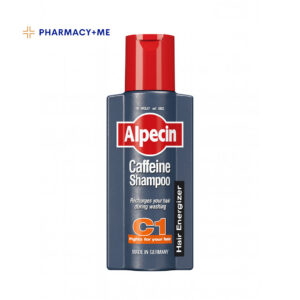


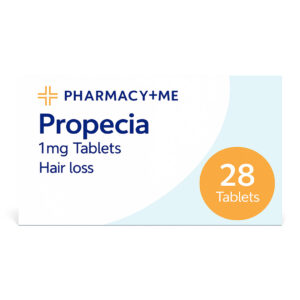



Don't wait any longer to get the medical help you need. Once you complete a short online assessment about your condition, you will be able to select your preferred treatment and quantity from a list of appropriate options for you.
Ordered with us before?
Showing all 6 results
Simply find your medical condition below to read helpful information written and reviewed by our healthcare professionals.
Hair loss can be either temporary or permanent, depending on the underlying cause. Conditions like male and female pattern baldness are typically permanent, while hair loss due to stress or nutritional deficiencies may be reversible.
It is normal to lose between 50 and 100 hairs a day. Losing more than this could be a sign of excessive hair shedding or a more serious condition.
Yes, poor nutrition can lead to hair loss. Diets lacking in essential vitamins and minerals like iron, protein, and vitamins B, D, and E can contribute to hair thinning.
Treatments vary depending on the cause but may include medications like Minoxidil or Finasteride, hair transplant surgeries, steroid injections, or alternative treatments like laser therapy.
Coverage varies by insurance provider and plan. Many cosmetic treatments for hair loss, like hair transplants, are not typically covered by insurance.
Yes, high stress levels can lead to three specific conditions related to hair loss:
Prevention depend on the cause but maintaining good scalp hygiene, eating a balanced diet, reducing stress, and avoiding harsh hair treatments can help minimize hair loss.
Hair shedding is a part of the natural balance of the hair life cycle, while hair loss occurs when the balance is disrupted and more hairs are lost than are growing in.
It’s advisable to see a healthcare provider if you’re experiencing sudden or patchy hair loss, losing hair in large amounts, or if your hair loss is accompanied by other health issues. This could indicate an underlying medical condition that needs attention.
Keep up to date with the latest news in health and medicine, as well as receiving
exclusive offers and discounts. Get a 10% discount when you join our newsletter!

By proceeding with this treatment, I confirm that:
I understand that this treatment is only licensed for aged 18 years or older, and by providing false information, I may compromise my own safety and the effectiveness of the treatment.
By clicking confirm, I agree that the above statements are true and accurate.
By proceeding with this treatment, I confirm that:
I understand that this treatment is only licensed for women aged 18 years or older, and by providing false information, I may compromise my own safety and the effectiveness of the treatment.
By clicking confirm, I agree that the above statements are true and accurate.
By proceeding with this treatment, I confirm that:
I understand that this treatment is only licensed for men aged 18 years or older, and by providing false information, I may compromise my own safety and the effectiveness of the treatment.
By clicking confirm, I agree that the above statements are true and accurate.
Thank you for considering our services. We regret to inform you that this particular treatment is currently only available for women due to medical guidelines and safety considerations. If you are searching on behalf of someone else, please have them log in and complete the consultation themselves to ensure we can provide the appropriate care.
Thank you for your understanding.
Thank you for considering our services. We regret to inform you that this particular treatment is currently only available for men due to medical guidelines and safety considerations. If you are searching on behalf of someone else, please have them log in and complete the consultation themselves to ensure we can provide the appropriate care.
Thank you for your understanding.
Symptoms may include:
Symptoms may include:
Symptoms may include:
Your symptoms of premature ejaculation might improve by first trying treatments for erectile dysfunction, such as Viagra. You can order erectile dysfunction treatments here
Sign in to your account to use all your saved details in the checkout.
WhatsApp us