
Cystitis
Showing all 4 results
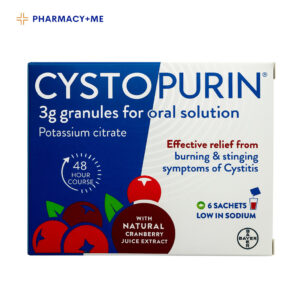
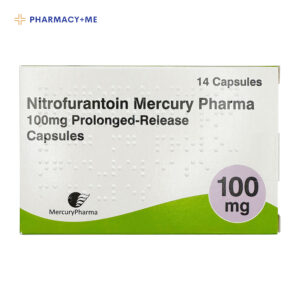
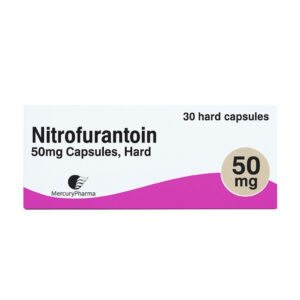

Cystitis is a urinary tract infection (UTI) that affects the bladder, commonly occurring in women. It often resolves on its own but may sometimes require antibiotics. Some individuals experience frequent episodes of cystitis, requiring regular or long-term treatment.
Don't wait any longer to get the medical help you need. Once you complete a short online assessment about your condition, you will be able to select your preferred treatment and quantity from a list of appropriate options for you.
Ordered with us before?
Showing all 4 results
Simply find your medical condition below to read helpful information written and reviewed by our healthcare professionals.
Cystitis is a type of urinary tract infection (UTI) that affects the bladder. It’s more common in women and can cause symptoms like pain during urination, frequent urges to urinate, and lower abdominal discomfort.
Cystitis is usually caused by bacteria from the bowel entering the urethra and traveling to the bladder. Risk factors include sexual activity, improper wiping after using the toilet, urinary catheters, certain contraceptives, and conditions like diabetes or menopause.
Common symptoms include pain or burning during urination, increased frequency and urgency of urination, dark or cloudy urine, and pain in the lower abdomen. In children, symptoms may also include fever, wetting themselves, and irritability.
Cystitis is often diagnosed based on symptoms. A urine test may be done to confirm the infection and identify the bacteria causing it. In some cases, especially if symptoms are recurrent, further tests may be needed.
Mild cases may resolve on their own with increased fluid intake and pain relief. For more severe cases, a GP may prescribe a short course of antibiotics. Recurrent cystitis may require long-term treatment, such as low-dose antibiotics or vaginal estrogen cream for postmenopausal women.
Yes, mild cases of cystitis can sometimes resolve without treatment within a few days, especially with proper self-care, like staying hydrated and avoiding bladder irritants. However, if symptoms persist or worsen, medical treatment may be necessary.
You should see a doctor if symptoms last more than 3 days, if they are severe, if cystitis recurs frequently, or if you have symptoms while pregnant. Urgent medical advice is needed if you experience a high or low temperature, severe pain, confusion, or blood in your urine.
Preventive measures include wiping from front to back after using the toilet, urinating after sex, drinking plenty of fluids, and avoiding bladder irritants like alcohol and caffeine. For those who get frequent infections, D-mannose or cranberry products may help.
Yes, men can get cystitis, though it is less common than in women. When men do develop cystitis, it’s often related to an underlying condition, such as an enlarged prostate or a urinary tract blockage, and should be evaluated by a doctor.
While cystitis itself is usually not serious, if left untreated, the infection can spread to the kidneys, leading to a more serious condition called pyelonephritis. This can cause severe symptoms and may lead to sepsis, a life-threatening infection. Prompt treatment is important to prevent complications.
Keep up to date with the latest news in health and medicine, as well as receiving
exclusive offers and discounts. Get a 10% discount when you join our newsletter!

By proceeding with this treatment, I confirm that:
I understand that this treatment is only licensed for aged 18 years or older, and by providing false information, I may compromise my own safety and the effectiveness of the treatment.
By clicking confirm, I agree that the above statements are true and accurate.
By proceeding with this treatment, I confirm that:
I understand that this treatment is only licensed for women aged 18 years or older, and by providing false information, I may compromise my own safety and the effectiveness of the treatment.
By clicking confirm, I agree that the above statements are true and accurate.
By proceeding with this treatment, I confirm that:
I understand that this treatment is only licensed for men aged 18 years or older, and by providing false information, I may compromise my own safety and the effectiveness of the treatment.
By clicking confirm, I agree that the above statements are true and accurate.
Thank you for considering our services. We regret to inform you that this particular treatment is currently only available for women due to medical guidelines and safety considerations. If you are searching on behalf of someone else, please have them log in and complete the consultation themselves to ensure we can provide the appropriate care.
Thank you for your understanding.
Thank you for considering our services. We regret to inform you that this particular treatment is currently only available for men due to medical guidelines and safety considerations. If you are searching on behalf of someone else, please have them log in and complete the consultation themselves to ensure we can provide the appropriate care.
Thank you for your understanding.
Symptoms may include:
Symptoms may include:
Symptoms may include:
Your symptoms of premature ejaculation might improve by first trying treatments for erectile dysfunction, such as Viagra. You can order erectile dysfunction treatments here
Sign in to your account to use all your saved details in the checkout.
WhatsApp us