
Period Pain
Showing all 3 results
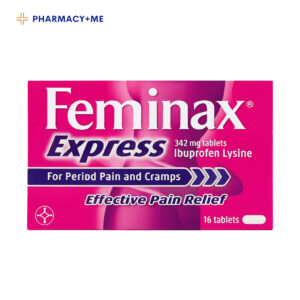
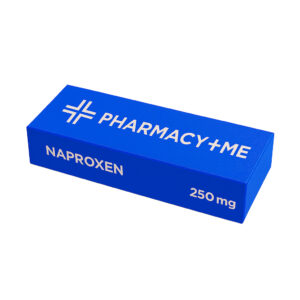
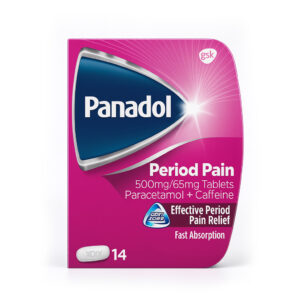

Period pain, also known as dysmenorrhea, is a common condition that many women experience before or during their menstrual cycle. While it's a typical part of the menstrual process, the pain can range from mild discomfort to severe cramps that affect daily activities. Fortunately, there are effective ways to manage and ease period pain.
Don't wait any longer to get the medical help you need. Once you complete a short online assessment about your condition, you will be able to select your preferred treatment and quantity from a list of appropriate options for you.
Ordered with us before?
Showing all 3 results
Simply find your medical condition below to read helpful information written and reviewed by our healthcare professionals.
Period pain, also known as dysmenorrhea, is the pain or discomfort that many women experience before or during their menstrual cycle. It usually occurs in the lower abdomen and can vary from mild to severe.
Period pain is caused by the contraction of the womb muscles during menstruation. These contractions help shed the womb lining, which leads to bleeding. In some cases, underlying conditions like endometriosis, fibroids, or pelvic inflammatory disease can cause more severe pain.
Yes, it’s normal for many women to experience some level of period pain each month. However, if the pain is severe or affects your ability to perform daily activities, it’s advisable to consult a healthcare professional.
You can relieve period pain at home by taking a warm bath, using a heat pad on your abdomen, doing gentle exercises like yoga, or taking over-the-counter painkillers like paracetamol or ibuprofen.
You should see a doctor if your period pain is severe, worsening over time, or not relieved by over-the-counter painkillers. Additionally, consult a doctor if you experience pain during sex, when urinating or defecating, or if you have unusually heavy or irregular periods.
Yes, in some cases, period pain can be a symptom of a more serious condition such as endometriosis, fibroids, pelvic inflammatory disease, or adenomyosis. If your period pain is severe or accompanied by other symptoms, it’s important to seek medical advice.
Yes, hormonal contraceptives like the pill, implant, or injection can help reduce period pain by thinning the womb lining, which can make periods lighter and less painful.
Yes, maintaining a healthy lifestyle can help reduce period pain. Regular exercise, a balanced diet, staying hydrated, reducing alcohol intake, and avoiding smoking can all contribute to lessening the severity of period pain.
Period pain can change over time. For some women, it may improve with age, especially after childbirth. However, if period pain worsens or changes in nature, it could be a sign of an underlying condition, and you should seek medical advice.
Keep up to date with the latest news in health and medicine, as well as receiving
exclusive offers and discounts. Get a 10% discount when you join our newsletter!

By proceeding with this treatment, I confirm that:
I understand that this treatment is only licensed for aged 18 years or older, and by providing false information, I may compromise my own safety and the effectiveness of the treatment.
By clicking confirm, I agree that the above statements are true and accurate.
By proceeding with this treatment, I confirm that:
I understand that this treatment is only licensed for women aged 18 years or older, and by providing false information, I may compromise my own safety and the effectiveness of the treatment.
By clicking confirm, I agree that the above statements are true and accurate.
By proceeding with this treatment, I confirm that:
I understand that this treatment is only licensed for men aged 18 years or older, and by providing false information, I may compromise my own safety and the effectiveness of the treatment.
By clicking confirm, I agree that the above statements are true and accurate.
Thank you for considering our services. We regret to inform you that this particular treatment is currently only available for women due to medical guidelines and safety considerations. If you are searching on behalf of someone else, please have them log in and complete the consultation themselves to ensure we can provide the appropriate care.
Thank you for your understanding.
Thank you for considering our services. We regret to inform you that this particular treatment is currently only available for men due to medical guidelines and safety considerations. If you are searching on behalf of someone else, please have them log in and complete the consultation themselves to ensure we can provide the appropriate care.
Thank you for your understanding.
Symptoms may include:
Symptoms may include:
Symptoms may include:
Your symptoms of premature ejaculation might improve by first trying treatments for erectile dysfunction, such as Viagra. You can order erectile dysfunction treatments here
Sign in to your account to use all your saved details in the checkout.
WhatsApp us